
HYDRAFACIAL
Comprehensive protection against aging and environmental factors.
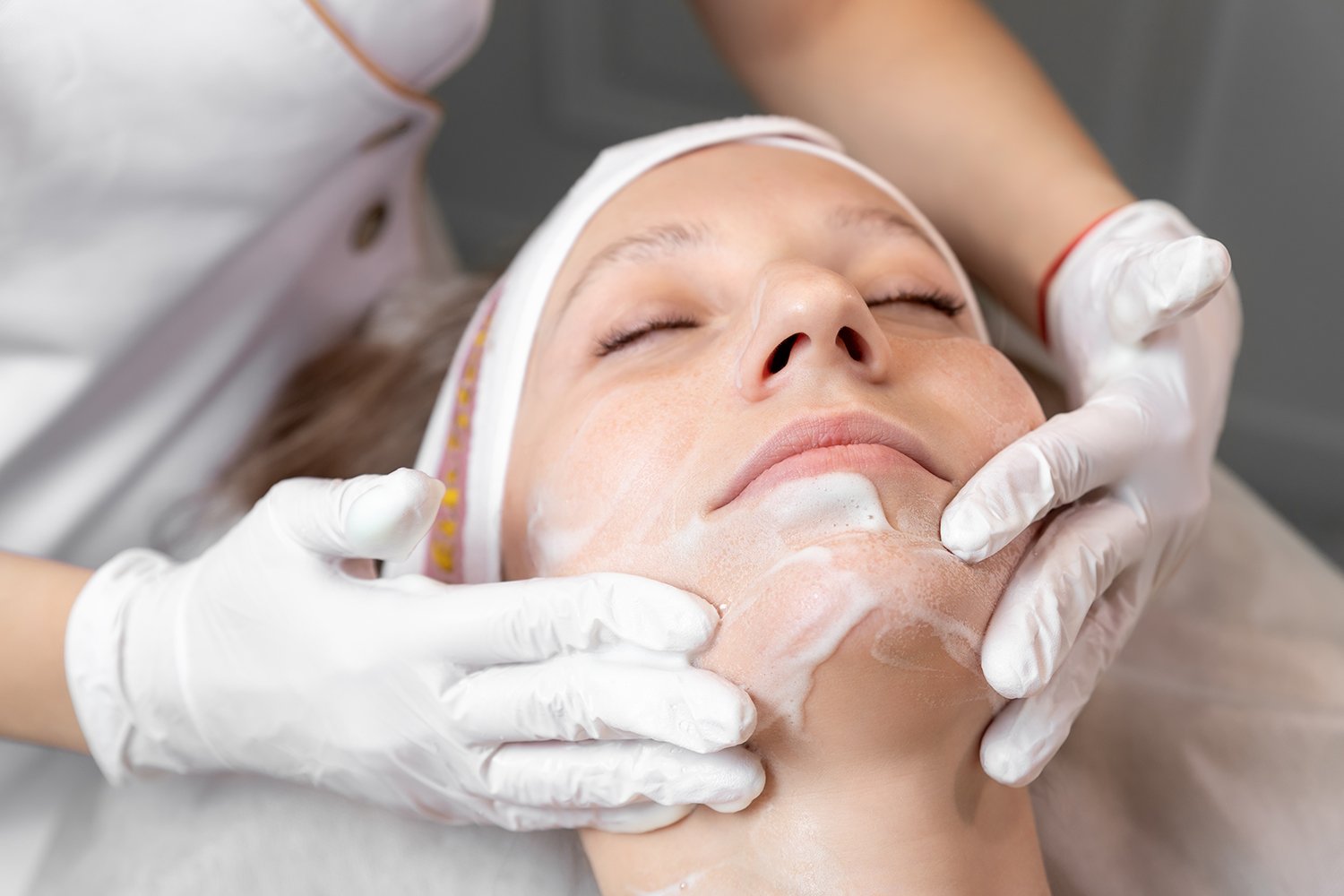
Get The Best-Looking Skin Ever
HydraFacial is a popular, hydra-dermabrasion treatment that gently resurfaces and thoroughly cares for your skin, leaving it smooth, radiant, and youthful-looking. This advanced, multi-step treatment delivers both aesthetic and medical benefits by cleansing, exfoliating, extracting, and infusing the skin with powerful nutrients — all without downtime or discomfort. HydraFacial is safe and non-irritating, even for delicate areas around the eyes and lips.
What Is Hydrafacial Treatment?
HydraFacial treatments are non-invasive, gentle, and effective, providing instant results with no downtime. This makes them incredibly popular and convenient, as they can be done quickly, even during a lunch break!
Suitable for all skin types, including sensitive, acne-prone, oily, and dry skin, HydraFacial is non-irritating and causes minimal side effects. It’s also much less invasive than chemical peels or laser resurfacing, with no lingering redness or irritation. This gentle nature makes it appropriate for both adults and teenagers.
HydraFacial is perfect for both men and women, especially those with busy schedules who don’t want to spend time on recovery. Radiant, beautiful skin boosts confidence and enhances overall well-being.
What Are The Benefits Of Hydrafacial Treatments?
HydraFacial is a versatile skin treatment that addresses a wide range of concerns, including:
- Skin tone and texture irregularities
- Fine lines and wrinkles
- Age spots and sun spots
- Acne-prone skin
- Oily skin
- Hyperpigmentation
- Clogged and enlarged pores
- Tired-looking skin
- Skin firmness and elasticity issues
- Dry skin
Who Can Benefit From Hydrafacial?
One of the most significant advantages of HydraFacial is its suitability for all skin types. As a non-invasive and gentle treatment, it avoids inflammation and irritation, making it appropriate for individuals of all ages, ethnicities, and skin concerns. Each HydraFacial session can be tailored to target specific issues.
While generally safe and gentle, HydraFacial is not recommended for individuals with rosacea, sunburn, active rashes, or infections.
HydraFacial Treatment Customization
HydraFacial treatments are highly customizable to address individual needs and concerns. During an initial consultation, a skin therapist will assess the patient’s skin and create a personalized treatment plan. This includes selecting specific serums, adjusting suction strength and acid application time, and recommending a treatment frequency to maintain optimal results and promote healthy, youthful skin.
Combining HydraFacial with Other Procedures
HydraFacial can be safely combined with other procedures for enhanced outcomes. Complementary treatments include LED light therapy, Dermapen micro-needling, Scarlet RF micro-needling, Mesotherapy, and Skin Booster.
HydraFacial as a Standalone Treatment
HydraFacial can also be performed as a standalone treatment. With a typical session lasting only 30-60 minutes, it’s often referred to as a “lunch break treatment.” There is no downtime required, allowing patients to resume their daily activities immediately. Makeup can be applied right away, although many patients opt to enjoy the post-treatment freshness.
Post-Treatment and Aftercare
Patients typically experience no major side effects following a HydraFacial treatment. The only recommended aftercare is to avoid exfoliating treatments for a few days post-procedure.
What Results Does It Bring?
HydraFacial treatment provides instant results, noticeable after just one session. Skin is left hydrated, nourished, vibrant, smooth, and radiant, with a reduction in fine lines, wrinkles, blemishes, and pigmentation. Results typically last 7 days or more, making it an excellent choice before special events.
Regular HydraFacial treatments can prolong these results and lead to significant improvement in overall skin health.
How Often Can Patients Get It?
For new patients, 2 to 3 sessions per month for at least 3 months is recommended to establish better skin health. Afterward, monthly treatments are usually sufficient. However, this can vary based on individual skin type and concerns. An initial consultation with a skin therapist is recommended to determine the ideal treatment frequency.